
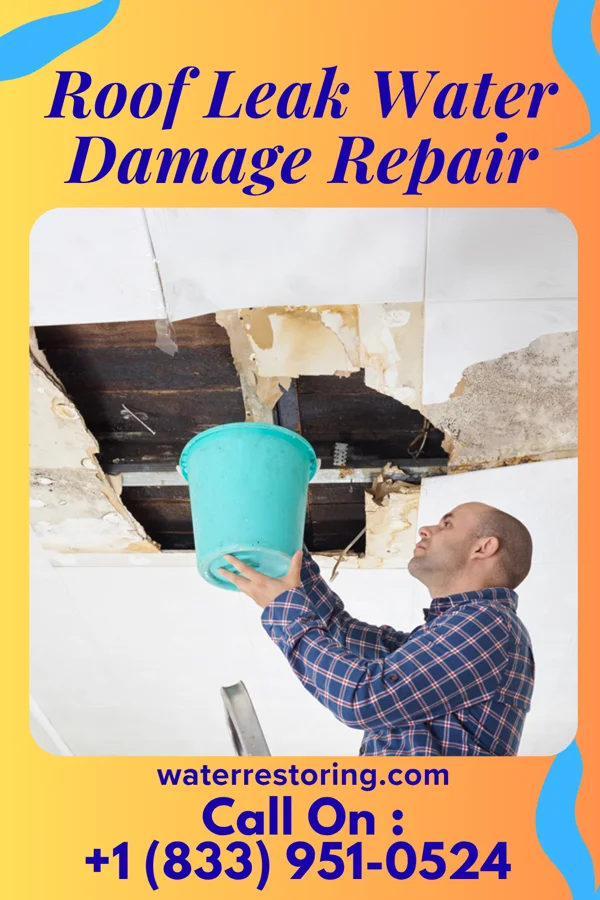
Common Roof Leak Causes in Clifton Heights
Most roof leak water damage repair calls in Clifton Heights come from Clifton Heights experiences frequent thunderstorms and heavy rainfall, especially during the late spring and summer months. These weather patterns can lead to sudden roof leaks and water damage, particularly in older homes with asphalt shingle roofs. The area is also prone to occasional high winds that can dislodge roofing materials.. A close second is Winter snowfall in Clifton Heights can add significant weight to roofs, increasing the risk of structural damage and leaks. Sudden temperature fluctuations can cause roofing materials to expand and contract, creating gaps that allow water to seep in. Spring thaw periods often result in ice dams that contribute to water infiltration.. If you know what is about to happen, the decisions during the first 48 hours get a lot easier.
The humid summers and frequent precipitation in Clifton Heights create a favorable environment for mold and mildew growth, especially in poorly ventilated attics and basements. Water damage from roof leaks can quickly spread to interior walls and flooring, leading to costly repairs if not addressed promptly.
Most roof leak water damage repair calls in Clifton Heights come from Clifton Heights experiences frequent thunderstorms and heavy rainfall, especially during the late spring and summer months. These weather patterns can lead to sudden roof leaks and water damage, particularly in older homes with asphalt shingle roofs. The area is also prone to occasional high winds that can dislodge roofing materials.. Running a close second is Winter snowfall in Clifton Heights can add significant weight to roofs, increasing the risk of structural damage and leaks. Sudden temperature fluctuations can cause roofing materials to expand and contract, creating gaps that allow water to seep in. Spring thaw periods often result in ice dams that contribute to water infiltration.. Local mold risk: Mold can begin to grow within 48 hours of water exposure in Clifton Heights, posing health risks and leading to further damage to building materials. The high humidity levels in the area exacerbate mold growth, making prompt water damage mitigation essential.
For public guidance on the health effects of mold after prolonged water exposure, see the EPA mold and health page.